
💭 Is creativity a soft skill – or a leadership edge in the age of AI?
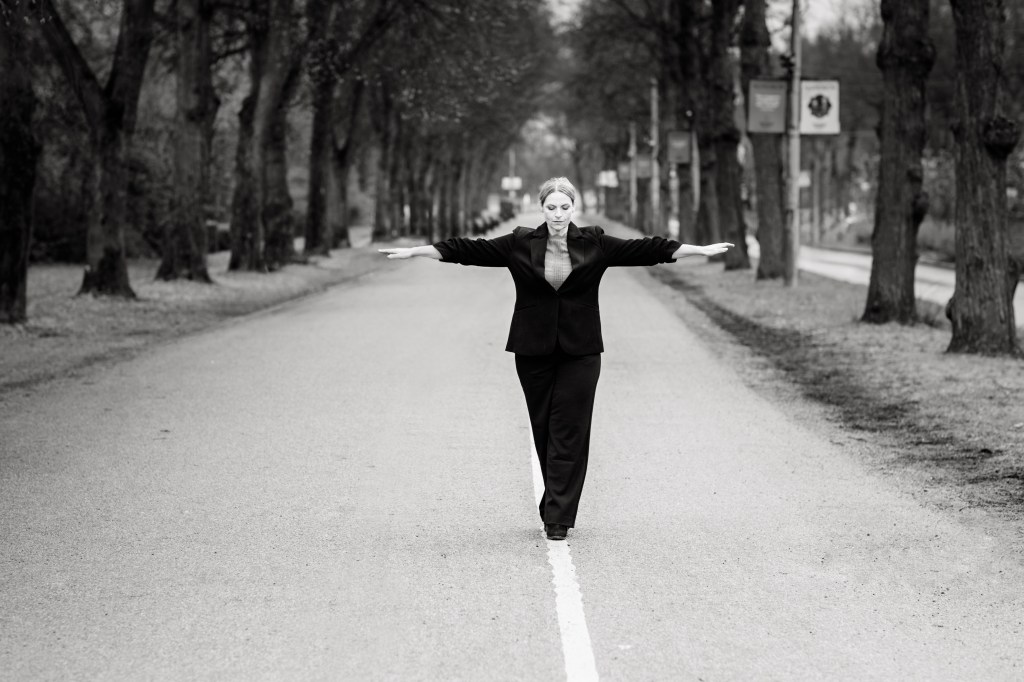
Many moons ago, dancing was the centre of my life.
I had passed the competitive admission process to what is today Stockholm University of the Arts and turned down Law School at Lund University. Back then, creativity was pure expression. A way of being, of feeling, of translating the unspoken into movement.
Fast forward a few years, and I found myself working in brand marketing at Unilever, later landing in London. Together with BBH, we developed a pan-European campaign featuring Ben Affleck, something that sparked engagement far beyond our expectations. There, I realised something important:
💡 Creativity isn’t just expression. It’s communication. It’s connection. It’s influence.
And today, after more than 20 years in business and leadership across industries and cultures, I believe this:
Creativity is one of the most undervalued leadership skills of our time.
It’s the ability to imagine what doesn’t yet exist. To see possibility where others see a dead end. And – crucially – it’s a skill AI still struggles to truly replicate.
💬 What Is Creativity?
“Creativity is the ability to produce work that is both novel and appropriate.”
– Robert J. Sternberg, Yale University (1999)
This definition is echoed across psychological and business research: creativity is about originality paired with usefulness. It’s not just dreaming – it’s dreaming with impact.
🧠 Creativity as an Intelligence
The idea that creativity is a form of intelligence isn’t new.
Psychologist Howard Gardner, in his Theory of Multiple Intelligences (1983), defined creativity as integral to several of his “intelligences,” especially:
- Spatial Intelligence – Visualising and manipulating in 3D space
- Bodily-Kinesthetic Intelligence – Creative movement and expression (yes, dance!)
- Interpersonal Intelligence – Creative empathy and connection
- Intrapersonal Intelligence – Self-reflective creativity
Other scholars like Mihaly Csikszentmihalyi (author of Flow) have shown that creative individuals have distinct cognitive profiles – driven by curiosity, openness, and the ability to hold paradoxes.
Creativity is not fluff. It is cognitive agility
🚀 Creativity in Business & Leadership
In today’s world, creativity isn’t optional – it’s strategic.
📌 According to LinkedIn’s Future of Skills Report, creativity is among the top 5 most in-demand soft skills for executives in 2025. 📌 A study by IBM of 1,500 global CEOs named creativity the #1 leadership quality for navigating complexity and change. 📌 McKinsey links creative thinking to stronger innovation performance and market differentiation in industries under pressure.
Creativity is the fuel behind:
- Visionary strategy
- Breakthrough innovation
- Authentic branding
- Empathetic leadership
- Human-centred AI integration
🔄 My Takeaway
What began as movement became a mindset. From dance floors to boardrooms, creativity has shaped the way I lead, coach, and create.
It’s not just a spark of inspiration. It’s a discipline, a skillset, and an essential leadership capability.
👀 I’m curious –
What is your relationship to creativity today? Has it changed throughout your career?
What began as movement became a mindset. From dance floors to boardrooms, creativity has shaped the way I lead, coach, and create.

Leave a comment