
Reflection on productivity, presence, and the real future of work.
A few years ago, during the pandemic, the majority were working from home. Today, many are heading back to the office, sometimes by choice, sometimes by policy.
Some leaders swear by the energy of being physically together. Others embrace the flexibility of remote or hybrid setups. In between, employees are trying to make it all work, while battling commutes, Zoom fatigue, laundry piles, and Slack notifications.
And honestly? I’ve felt all of it. The energy. The overload. The craving for quiet.
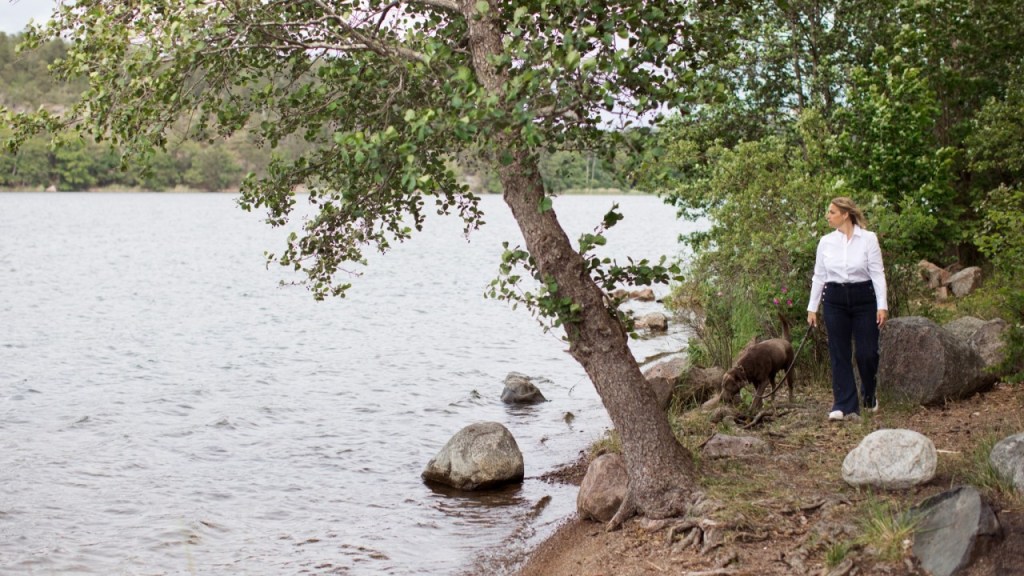
I personally love coming together with people to tackle challenging topics, work through complex problems, and co-create during focused, productive sessions. At the same time, I have a need to get outside and reset during the day. When working from home, I deeply value my lunchtime walks with my dog. Being in nature, even for a short while, helps me recharge and return with sharper focus. It’s one of the best ways I know to stay energised and centred.
But back to the bigger question: Does it actually matter where we work?
Are we more productive at home, or just more distracted by dishes and deadlines that blur together? Does collaboration thrive in the office, or are we still stuck in back-to-back virtual meetings, even when we’re physically in the building?
Let’s unpack what the latest research reveals and what we, as leaders, should consider beyond policy and presence.
Where we work matters. But not in the way we’ve been told.
The location debate is outdated. What’s far more relevant is how well work environments – physical or virtual – enable clarity, creativity, collaboration, wellbeing, and performance. It’s no longer about where people are seen, but where they can thrive. The most forward-thinking leaders are designing work not around place, but around purpose.Here’s the thing: many leaders and organisations underestimate the time it takes.
💡 Productivity: It’s About Autonomy – Not Address
Too often, we equate presence with performance. Yet high productivity doesn’t come from a postcode – it comes from how trusted, empowered, and focused a person feels. The freedom to structure one’s day, eliminate distractions, and design one’s flow isn’t a perk – it’s a performance lever. This is especially true when paired with psychological safety, clarity on outcomes, and accountability.
📊 Stanford University: Hybrid workers (2–3 days in office) were 9% more productive than full-time office workers and had 35% lower attrition.
📊 Eurofound (EU Agency): Across Austria, Finland, Lithuania, and Spain, hybrid models improved job quality, especially when employees had a say in scheduling.
📊 Microsoft Work Trend Index: While 87% of remote workers feel productive, 85% of leaders still doubt them. The real issue? Visibility ≠ value.
🔍 Key Takeaway: Productivity doesn’t come from location. It comes from autonomy, purpose, and clear expectations.
🤝 Collaboration: More Complex Than We Pretend
“We need to be in the office to collaborate.” It sounds right, but is it actually true?
Collaboration is not a default setting that switches on in shared spaces. True collaboration is built on clarity of purpose, structured interactions, and a culture of inclusion and trust. Without these, being in the same room can just mean sitting silently in parallel Zoom calls. What matters more is why we gather and what we’re designing those moments for.
📊 Harvard Business Review: 70% of in-person meetings now include remote participants. We’re in the office, but still on Zoom.
📊 University of Oslo: Informal “micro-moments” (hallway chats, shared coffee breaks) can build team trust, but only in psychologically safe cultures.
📊 Owl Labs (EU): Hybrid workers say the office is best for onboarding and relationship building, but they prefer home for deep work and focus.
🔍 Key Takeaway: Collaboration isn’t proximity. It’s intentionality. The best teams design why and when they’re together – physically or virtually.
💸 Financial Factors: The Invisible Pressure
Let’s name the elephant in the room: office space is expensive. Behind many return-to-office mandates lie empty floors and long leases. There might be pressure to “get value” from the space and that’s understandable. But it’s dangerous to confuse sunk costs with strategic thinking. Forcing people back without rethinking the why, how, and what they gain in return – that’s a recipe for disengagement and turnover.
📊 CBRE (Europe): Hybrid work may reduce office demand by up to 9% by 2030, yet prime office leases in cities like London and Milan remain high and might result in pressure to “justify” the space.
📊 PwC UK: Companies enforcing rigid RTO policies are seeing higher attrition, particularly among top-performing and diverse talent.
📊 UK Civil Service Study: Flexible work has the same wellbeing impact as an 8% pay rise. It’s also linked to improved retention of women and caregivers.
🔍 Key Takeaway: The ROI of presence must be redefined. If you’re pulling people back to desks – what are you offering in return?
🧠 Beyond Logistics: Wellbeing, Belonging, and Presence
This is where that lunchtime walk in nature comes back in.
Space matters. Movement matters. So does mental clarity. The environments that support us as whole humans, whether a leafy trail, a focused home office, or a shared creative hub, are the ones that also support better decision-making, deeper thinking, and more sustained energy.
Belonging, connection, and personal rhythm aren’t fluff — they’re strategic.
📊 Buffer’s Remote Work Report: 52% of remote workers cite loneliness as a major challenge, yet 98% still want to stay remote or hybrid.
📊 Deloitte (2024 Human Capital Trends): Future-fit organisations prioritise human outcomes, not just headcounts.
🔍 Key Takeaway: Where people work affects how they feel and how they feel impacts how they perform.
✨ So… What Should Leaders Actually Be Asking?
Instead of obsessing over office quotas, I think we as leaders should be asking:
- 💬 Are we clear on what outcomes matter most?
- 🛠️ Are we designing deliberate spaces for both connection and focus?
- 🧱 Are we measuring impact, not just hours or presence?
- 💛 Are we creating a culture people want to come back into – not just back to?ns, and grows leadership capacity.
👀 My Perspective
I’ve worked in every setup – from global offices to kitchen tables, from video calls with teams across several time zones to in-person brainstorms with sticky notes and coffee.
And here’s what I’ve learned: Where we work matters, but not as much as how we lead.
Leaders who listen, adapt, and build trust will outperform those who chase outdated models. Let’s not just bring people back. Let’s bring them in – into purpose, into vision, into impact.
📩 Over to You
Where do you do your best work? Where do you do your best thinking? How is your leadership best executed?
Drop me a reply, or comment below. I’d love to hear how you’re navigating this in your own leadership.

Leave a comment